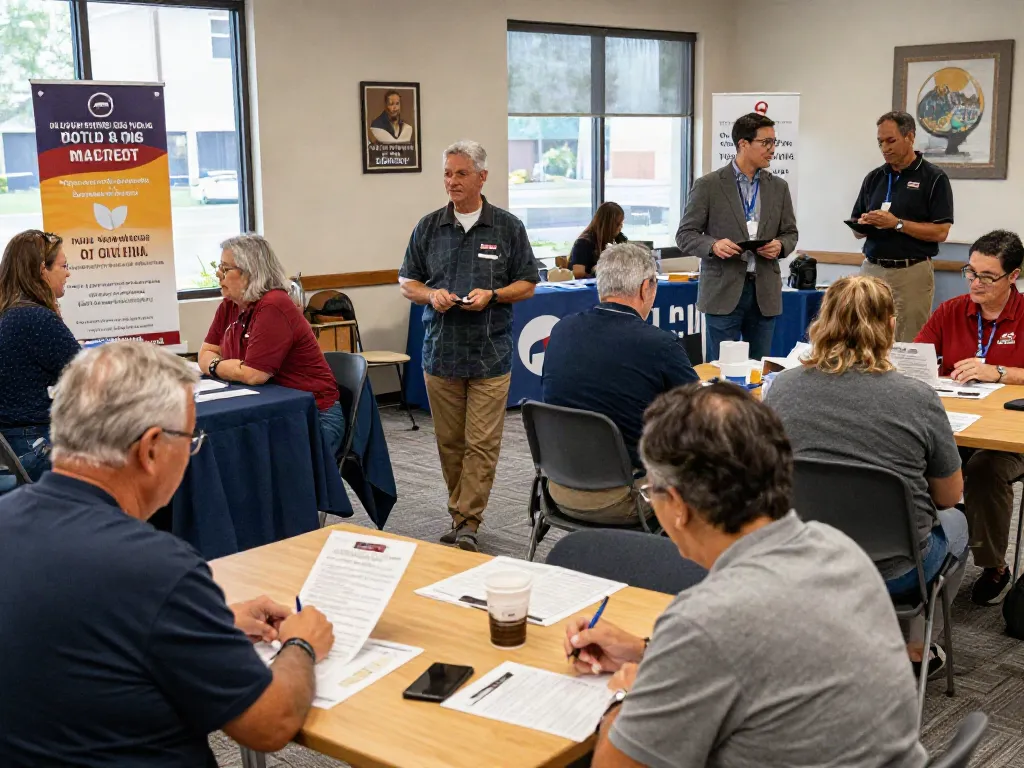
Understanding Veteran Transition to Civilian Life Challenges
The journey from military service to civilian life is fraught with unique challenges. Veterans often find themselves grappling with emotional, social, and practical hurdles that can significantly impact their ability to adapt. A paramount aspect of this transition is recognizing the multifaceted nature of these challenges. When exploring options, Veteran transition to civilian life can be made smoother with the right resources and support systems in place. Understanding the core issues faced by veterans during this period is essential for tailoring effective solutions.
Common Psychological Barriers to Transition
One of the most significant barriers veterans face during their transition to civilian life is the psychological impact of leaving military service. Many veterans experience symptoms of post-traumatic stress disorder (PTSD), anxiety, and depression, which can hinder their ability to reintegrate into civilian society. The stress of adapting to a new lifestyle can also exacerbate feelings of isolation and frustration.
- Post-Traumatic Stress Disorder (PTSD):Combat experiences can leave deep emotional scars, making it difficult for veterans to engage fully with their new environment.
- Anxiety and Depression:The uncertainty of civilian life can provoke anxiety, leading to avoidance behaviors that impede successful transition.
- Identity Crisis:Many veterans struggle with losing the structured identity that military life provided, leading to feelings of confusion and inadequacy.
Social Isolation and Support Systems
Isolation is a common feeling among veterans transitioning to civilian life. After years of camaraderie in the military, many find themselves feeling alone and disconnected. This social isolation can be exacerbated by a lack of understanding or support from family and friends, who may not fully comprehend the challenges faced by veterans.
- Family Dynamics:Transitioning veterans often experience strain in familial relationships due to changing roles and expectations.
- Support Networks:Engaging with fellow veterans or support groups can mitigate feelings of isolation, fostering a sense of belonging and understanding.
- Community Resources:Local organizations and initiatives can provide vital connections and support for veterans seeking to transition successfully.
Misconceptions About Civilian Employment
Another barrier to successful transition is the misconception that the skills acquired in the military do not translate to civilian jobs. Many veterans are unaware of how their experiences can benefit potential employers, leading to reduced confidence in job-seeking. This perception can be particularly dangerous in a labor market that increasingly values diverse skills and backgrounds.
- Transferable Skills:Leadership, teamwork, and problem-solving abilities gained in the military are highly sought after in civilian workplaces.
- Education and Training:Veterans can take advantage of various programs aimed at enhancing their qualifications for civilian roles.
- Employer Awareness:Organizations are starting to recognize the strengths that veterans bring, but many still require education on the value of hiring veterans.
Practical Steps for Successful Transition
Successful transition to civilian life requires a strategic approach that encompasses planning, training, and building a supportive network. By taking practical steps, veterans can navigate this significant life change more effectively and find fulfilling civilian roles.
Creating a Comprehensive Transition Plan
Establishing a comprehensive transition plan is crucial for veterans. This plan should outline key steps, including employment goals, necessary training, and timelines. Such planning helps in maintaining focus and direction during the transition.
- Set Goals:Clearly define short- and long-term career goals to maintain motivation.
- Attach Timelines:Implement deadlines for achieving specific tasks, such as completing educational programs or applying for jobs.
- Regularly Evaluate Progress:Periodic assessments of achievements can help adjust strategies and maintain accountability.
Essential Skills and Training for Civilian Jobs
Veterans must be aware of the essential skills sought by civilian employers. This involves identifying gaps in their skill set and seeking appropriate training opportunities. Many veterans possess valuable attributes, but they may require additional training to align with civilian job requirements.
- Certifications:Consider obtaining certifications related to desired job fields, such as project management or technical skills.
- Continuing Education:Attend workshops and seminars that focus on relevant skills and knowledge enhancement.
- Soft Skills Development:Working on communication, teamwork, and leadership can significantly improve employability.
Networking Strategies for Veterans
Networking plays an essential role in securing employment and building a support system. Veterans should actively engage in networking opportunities to connect with industry professionals and fellow veterans.
- Professional Associations:Joining organizations related to desired career paths can provide valuable networking opportunities.
- Social Media:Utilize platforms like LinkedIn to connect with potential employers and industry leaders.
- Mentorship:Seek out mentorship opportunities with veterans who have successfully transitioned, offering insights and support.
Resources Available for Veterans Transitioning
Numerous resources exist to aid veterans during their transition to civilian life, including government programs, nonprofit organizations, and community support networks. Understanding these resources can empower veterans to seek the assistance they need.
Government Programs Supporting Transition
Various government initiatives provide support for veterans transitioning to civilian life. The Veterans Affairs (VA) offers numerous programs designed to assist with employment, training, and psychological support. Understanding these options can facilitate smoother transitions.
- Transition Assistance Program (TAP):This program provides resources and information to help veterans navigate the transition process.
- Vocational Rehabilitation and Employment (VR&E):Designed for veterans with service-related disabilities, this program helps with job training and placement.
- Educational Benefits:Programs such as the GI Bill can help veterans pursue higher education or vocational training.
Nonprofit Organizations Offering Guidance
Numerous nonprofit organizations are dedicated to helping veterans transition successfully. These organizations often provide mentorship, job training, and other resources that are essential for making the move to civilian life.
- Hiring Our Heroes:A nationwide initiative aimed at helping veterans find meaningful employment.
- Wounded Warrior Project:This organization offers various programs to support veterans and their families in the transition process.
- Veterans of Foreign Wars (VFW):Provides networking opportunities and resources aimed at helping veterans succeed in civilian life.
Community Support Networks and Groups
Engaging with local community support networks can offer veterans a sense of belonging. Community groups often provide social activities, workshops, and resources for veterans and their families.
- Local Veteran Centers:These centers provide counseling, assistance with VA benefits, and connection to local resources.
- Peer Support Groups:Support groups focused on shared experiences can help veterans discuss challenges and successes.
- Social Events:Participating in community events can foster friendships and support systems that ease the transition process.
Identifying and Avoiding Transition-Related Scams
As veterans navigate their transition, it is essential to be vigilant about potential scams targeting their vulnerabilities. Unfortunately, scammers often exploit veterans seeking assistance during this period.
Common Scams Targeting Veterans
Understanding the types of scams that target veterans is crucial for protection. Many fraudulent programs promise quick and easy job placements or training, preying on the frustrations and hopes of those in transition.
- Job Placement Scams:Offers that seem too good to be true often are; veterans should be cautious of any program demanding payment upfront.
- Fake Training Programs:Some organizations promise skills training but fail to deliver, leaving veterans with wasted time and resources.
- Benefit Fraud:Scammers may impersonate VA representatives to solicit personal information or financial details.
Signs of Fraudulent Transition Programs
Identifying red flags in transition programs can help veterans avoid scams. Here are some signs to watch for:
- Unrealistic Promises:Any program guaranteeing job placements without any qualifications or effort is suspect.
- High Fees:Be wary of programs requiring significant upfront fees for services that should be free or subsidized.
- Poor Online Presence:Legitimate organizations typically have verifiable websites and positive reviews from credible sources.
Resources for Reporting Scams
If veterans encounter a suspected scam, it is essential to report it to the appropriate authorities. Reporting these incidents can help protect others from similar situations.
- Federal Trade Commission (FTC):Veterans can report scams and find resources for protecting themselves from fraud.
- Department of Veterans Affairs:The VA provides guidance on reporting suspicious activities targeting veterans.
- Better Business Bureau (BBB):Veterans can check for reviews and complaints related to specific organizations.
Future Trends in Veteran Transition Support
As we progress into 2026 and beyond, veterans' transition support continues to evolve. Innovations and emerging best practices are shaping how veterans approach their integration into civilian life.
Technological Advances in Career Placement
Technology plays a pivotal role in enhancing career placement for veterans. Online platforms that connect veterans with employers are becoming increasingly sophisticated.
- Job Matching Algorithms:Advanced algorithms can match veterans with jobs based on their skills, experiences, and interests.
- Virtual Career Fairs:These events allow veterans to connect with multiple employers simultaneously, increasing job opportunities.
- Online Training Platforms:Many veterans are leveraging online courses to acquire new skills and qualifications at their own pace.
Emerging Best Practices in Transition Assistance
As organizations refine their approaches to support veterans, several best practices are emerging:
- Holistic Approaches:Programs that address mental health, employment, and social integration are proving to be more effective.
- Peer Support Programs:Connecting veterans with mentors or peers who have successfully transitioned can provide valuable insights and motivation.
- Customized Programs:Tailored programs that consider individual needs and circumstances help veterans navigate their unique challenges.
Predictions for Veteran Resources in 2026 and Beyond
The future of veteran support resources looks promising. As awareness of veterans' needs increases, more comprehensive and accessible services are expected to emerge.
- Increased Funding:Anticipated increases in funding for veteran programs will enhance resource availability and support services.
- Partnerships with Private Sector:Collaboration between government agencies and private companies can improve job placement and training opportunities.
- Focus on Mental Health:Greater emphasis on mental health support and holistic care will be key in addressing transition-related issues.
Conclusion
Transitioning from military to civilian life is a complex process filled with challenges and opportunities. By understanding the psychological hurdles, utilizing the available resources, and taking proactive steps, veterans can navigate this journey successfully. As society continues to recognize and address the specific needs of veterans, the support systems in place will only continue to improve, ensuring that those who served their country can thrive in their civilian lives.