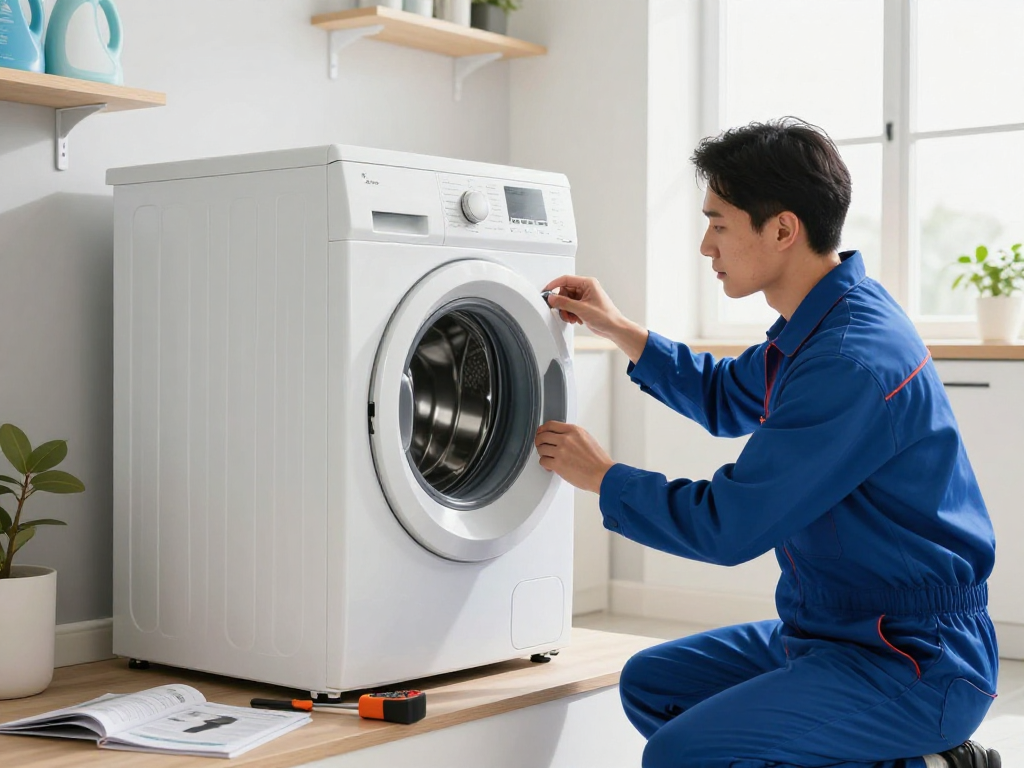
Understanding Stackable Washer Dryer Systems
In the modern home, space is a premium commodity, especially in urban areas where apartments may lack the square footage for traditional laundry setups. This is where stackable washer dryer systems come into play, providing an efficient way to manage laundry needs without occupying excessive floor space. By combining the washer and dryer in a vertical configuration, homeowners can achieve optimal functionality while maintaining a streamlined aesthetic. This article delves into all aspects of stackable washer dryer systems, from understanding their components to troubleshooting common issues and beyond.
What is a Stackable Washer Dryer?
A stackable washer dryer is a combination of a washer and dryer designed to be stacked on top of each other, as opposed to being side-by-side. This configuration is particularly beneficial for smaller homes, apartments, or laundry rooms where space is limited. Typically, stackable units are front-loading models, which not only enhance their space efficiency but also provide superior energy and water efficiency compared to traditional top-loading machines.
Common Benefits of Stackable Models
- Space-Saving Design: The primary advantage is the ability to maximize space. Stackable units can fit into tight corners or closets, making them ideal for small living spaces.
- Energy Efficiency: Many modern stackable washers and dryers are designed with energy-saving features, reducing water and electricity consumption.
- Convenience: With both units operating simultaneously, you can wash and dry your laundry in a fraction of the time.
- Variety: Consumers have a wide variety of stackable models to choose from, allowing them to select units that best fit their needs and preferences.
Key Components of Stackable Washers and Dryers
Understanding the various components of stackable washer dryer systems is crucial for troubleshooting and repair. Key components include:
- Drum: The main compartment where clothes are loaded for washing or drying.
- Control Panel: The interface that allows users to select wash/dry cycles, temperatures, and other settings.
- Pump: A critical part of both machines, it removes water from the drum after washing.
- Heating Element: Responsible for drying the clothes by generating heat in the dryer unit.
- Vibration Dampening Pads: These help stabilize the machine during its operation, reducing noise.
Common Issues with Stackable Washer Dryers
While stackable washer dryers offer numerous benefits, they are not immune to issues. Homeowners often face a variety of challenges that can disrupt their laundry routine. Understanding these issues can help in both preventive maintenance and effective troubleshooting.
Frequent Problems Homeowners Encounter
- Inconsistent Drying: Clothes may come out of the dryer still damp, indicating potential issues with heating elements or ventilation.
- Vibration and Noise: Excessive vibration during operation could signal an imbalance in the load or failure of vibration pads.
- Detergent Residue: Build-up of detergent and fabric softener can occur, especially in high-efficiency models not designed for such products.
- Water Leaks: A common problem often arising from faulty hoses or door seals.
Diagnosing Common Symptoms
Effective diagnosis of issues with stackable washer dryers begins by recognizing symptoms:
- Machine Won't Start: Check the power supply and ensure the door is properly closed.
- Clothes Not Cleaning Properly: This could be due to incorrect wash settings or overloading the machine.
- Overheating: An overheating dryer may indicate a blockage in the vent or a malfunctioning thermostat.
Understanding Repair Versus Replacement
When it comes to stackable washer dryer repair, homeowners often face the dilemma of whether to repair or replace their units. Factors to consider include:
- Age of the Unit: A machine over 10 years old may not warrant a costly repair.
- Cost of Repairs: If repairs exceed half the cost of a new unit, replacement may be the better option.
- Energy Efficiency: Older models may not be as efficient as newer ones, leading to potential savings through replacement.
DIY Stackable Washer Dryer Repair Techniques
For those who enjoy hands-on projects and wish to save on repair costs, DIY repairs can be a viable option. However, safety should always be a priority.
Basic Tools Needed for Repairs
To effectively perform basic repairs on stackable washer dryers, the following tools are typically required:
- Multimeter
- Screwdrivers (Philips and flat-head)
- Pliers
- Wrenches
- Vacuum (for lint removal)
Step-by-Step Troubleshooting Guide
Here's a simple guideline to troubleshoot some common issues:
- Check the Power Supply: Ensure the unit is plugged in and the outlet is functioning.
- Inspect Hoses: Look for any kinks or leaks in hoses.
- Clean the Lint Filter: A clogged filter can lead to inefficient drying.
- Examine the Vent: Ensure the vent is clear of obstructions for proper airflow.
- Test Components: Use a multimeter to check for continuity in electrical components.
When to Call a Professional
While many repairs can be tackled by homeowners, some situations require professional intervention. If you encounter issues beyond basic troubleshooting or feel uncomfortable performing repairs, it's wise to contact an expert. For issues related to electrical components or severe mechanical failures, a professional technician can ensure the repair is done correctly and safely. Moreover, for comprehensive assistance, stackable washer dryer repair services can provide invaluable support to keep your units operating smoothly.
Future Trends in Stackable Washer Dryer Technology
The landscape of laundry technology is continually evolving, and stackable washer dryers are no exception. Several trends are anticipated to shape the future of these appliances.
Innovative Designs and Features Expected in 2026
As manufacturers respond to consumer demand for both functionality and aesthetics, new designs are set to emerge. Innovations may include:
- Sleeker Designs: Slimmer profiles and customizable finishes to match home décor.
- Integrated Drying:Washers with built-in drying capabilities to eliminate the need for separate units.